
The Best Dog-Friendly Fences and How to Choose the Right One in Pensacola, FL
The Best Dog-Friendly Fences and How to Choose the Right One in Pensacola, FL

If you’re searching for a reliable dog fence in Pensacola, the right choice protects your pup, fits your yard, and stands up to salt air and summer storms. Below, you’ll find a clear guide to materials, escape‑proof design details, HOA‑friendly looks, and training‑ready gates, plus when to bring in pros for fence construction that’s built for our Gulf Coast climate.
What Makes A Fence Truly Dog-Friendly In Pensacola
A dog-friendly fence does three things well: it prevents escapes, reduces overstimulation, and handles local weather. In Pensacola neighborhoods like East Hill, Cordova Park, and Navy Point, that means solid panels or tight pickets for fewer distractions, sturdy posts for wind, and hardware that won’t corrode near the bay.
Match the fence to your dog’s behavior, not just the look you like. Jumpers need height and smooth faces; diggers need below‑grade protection; barkers benefit from reduced sightlines. The best solution often blends several features.
Top Dog-Friendly Fence Materials That Work On The Gulf Coast
Wood Privacy: Warm Look, Smart Add‑Ons
Wood privacy fences remain popular across Pensacola and Cantonment. For dogs, look for a six‑foot height, boards installed tightly, and a pressure‑treated kickboard along the bottom to take the abuse of paws and lawn tools. Ask for stainless or hot‑dipped galvanized fasteners to resist salt air.
Vinyl Privacy: Low Maintenance, Smooth Surface
Vinyl’s smooth panels are hard to climb and easy to clean after rainy days. Choose reinforced posts and quality rails so panels don’t flex in coastal winds. Light colors also help keep the yard cooler in late‑summer heat.
Aluminum Picket: Open View, Puppy Options
Black aluminum is a favorite in Gulf Breeze and Perdido Key for its coastal style. If you prefer a picket look, specify “puppy pickets” or a bottom rail section with tighter spacing to block small dogs while keeping the open design. Add finial‑free, flat‑top styles to avoid tempting chew points.
Chain Link: Durable, With Careful Tweaks
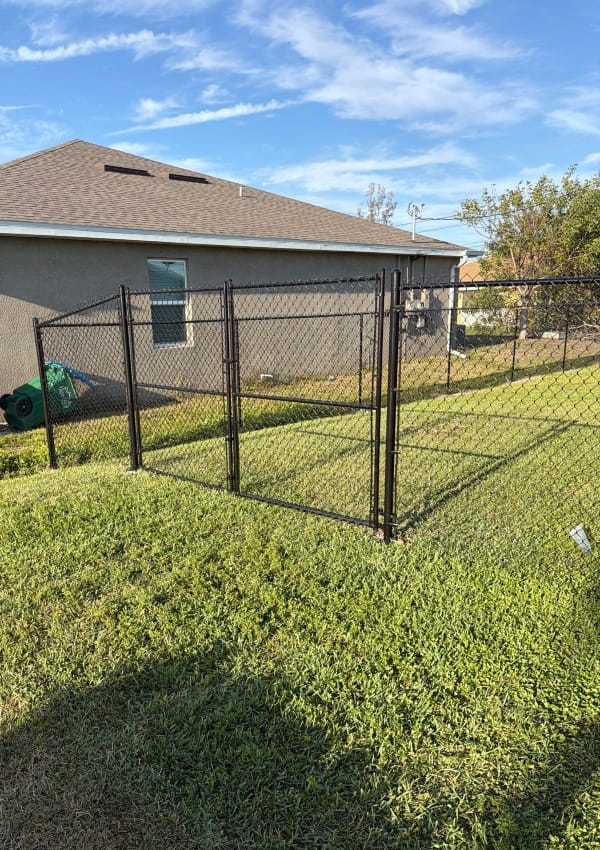
Chain link is sturdy and budget‑friendly, but standard mesh can invite climbing. If you choose it, consider a smaller mesh size, smooth top rail, and privacy slats only where you want to reduce sightlines. Keep objects away from the fence that a dog could use as a step.
Escape-Proof Design Details That Keep Pets Safe
The difference between a good fence and a great dog fence is in the details. Here are features that help stop common escape tactics without changing your yard’s look:
- Height and Smooth Faces: Six feet for large, athletic breeds; flush boards or smooth panels that don’t offer toe holds.
- Anti‑Dig Protection: A pressure‑treated kickboard or buried gravel strip at the fence line helps discourage digging.
- Tight Gaps: Aim for minimal spacing at gates and corners; add puppy pickets on aluminum to protect small dogs.
- Hardware That Lasts: Marine‑grade or hot‑dipped galvanized hinges, latches, and screws resist corrosion near the coast.
Keep furniture, firewood, or planters away from the fence line. Simple yard changes remove launch pads for jumpers and reduce curiosity at the boundary.
Bringing you the best service type services
What Type Of Fence Is Best For Your Property?


Wood Fences
Enhance your property's privacy, security, and curb appeal with a custom wood fence from All American Fence. Available in a variety of styles and finishes, wood fencing offers a timeless, natural look that complements any home or business. Whether you want a classic privacy fence, a decorative accent, or a durable enclosure for your yard, our team can help you choose the right design for your property.
Aluminum Fences
Aluminum fencing provides a sleek, durable, and low-maintenance solution for securing your property. Resistant to rust and weather damage, it is an excellent choice for pools, yards, and commercial spaces where appearance and strength both matter. Aluminum fences offer an open, elegant look while still creating a clear boundary around your property.
Vinyl Fences
Vinyl fencing delivers long-lasting beauty without the upkeep of traditional materials. Available in multiple styles and colors, vinyl fences resist fading, cracking, and rotting while providing excellent privacy and security. This makes vinyl a great choice for homeowners who want a clean, polished look with minimal maintenance over time.
HOA-Friendly Styles That Still Work For Dogs
Many Pensacola and Navarre communities want clean, consistent fence styles. You can balance guidelines with pet safety by choosing designs that look classic from the street and practical inside the yard.
- Street‑Side Shadowbox or Board‑on‑Board: Classic wood profile outside, solid coverage inside for calmer dogs.
- Aluminum Flat‑Top in Black: Timeless, coastal look; add a puppy‑picket bottom section that blends in visually.
- Neutral Vinyl Privacy: White or tan panels pair well with most homes and help limit line‑of‑sight barking.
Always review your HOA’s current rules before you finalize height, material, or color. Requirements vary by community and can change over time.
Smart Gate Choices And Training-Friendly Layouts
Gates are the most used and most stressed parts of a dog fence. Choosing the right combination protects your pet and makes daily routines smoother.
Consider a double‑gate “airlock.” Two gates in sequence create a small holding zone that helps prevent door‑dash escapes when you enter or exit. Pair this with self‑closing hinges and a high‑mounted, lockable latch that’s out of a curious snout’s reach.
For training sessions, owners like a wider main gate for mower access and a separate, narrower side gate near the patio. That smaller gate keeps quick walks and leash work simple without opening the whole yard.
Sizing And Layout By Dog Energy And Yard Shape
High‑energy breeds do better with straighter runs for play, while older dogs appreciate shady corners. In narrow East Hill lots, a six‑foot wood or vinyl fence with a centered gate can create a safe loop for exercise. On wider Navy Point or Beulah lots, consider adding a mid‑yard cross‑section with a training gate so you can rotate play areas, rest the grass, or block off the grill when you’re cooking.
Local Conditions: Salt Air, Storms, And Sandy Soil
Pensacola weather rewards fences that are built with the coast in mind. Posts should be set deep enough for stability, and materials should be chosen for corrosion resistance. Smooth vinyl and powder‑coated aluminum clean up well after summer showers, while pressure‑treated wood benefits from occasional sealing to help it look its best over time.
Because site conditions such as slope, sprinkler spray, and nearby trees all vary, work with a team that adjusts the plan to your yard instead of taking a one‑size‑fits‑all approach. When you’re ready to compare options, review our local approach to fence construction in Pensacola and see what fits your home and pets.
Gate Hardware And Latch Options You’ll Be Glad You Picked
Choose self‑closing hinges with adjustable tension so the gate shuts behind you during grocery runs. Add a gravity or magnetic latch with a keyed option for extra peace of mind. For families with small children, place the latch on the inside and high on the post so little hands can’t reach it easily.
If you like to host, think about a hold‑open feature on the patio gate for quick entertaining, then switch back to auto‑close for daily use. These small choices feel minor now, but make a big difference week after week.
Noise And Sightline Control For Barkers
Dogs often react to joggers on Bayou Boulevard or bikes along Scenic Highway. Reducing visual triggers helps. Solid wood or vinyl panels limit sightlines, and selective use of privacy slats on chain link can quiet busy corners. Landscaping inside the fence—like dense shrubs set a few feet away—creates a soft barrier without giving climbing boosts.
Use consistent routines at the gate and fence line. Calm entries and exits reduce the excitement that leads to dashing, and training sticks best when the setup supports it.
Maintenance Basics For A Dog-First Fence
Plan on a quick seasonal checklist. Look for loose pickets after big wind events, verify gate alignment, and rinse hardware if you’re close to the water. Vinyl and aluminum usually need only soap and water. Wood benefits from periodic sealing, and keeping sprinklers from hitting the same spot every day helps all materials last longer.
Want more ideas and how‑to guidance from our team? Browse our latest fence construction tips to see design choices and maintenance insights that local homeowners use.
How To Choose An Installer You Can Trust
The right partner will explain why certain materials perform better near the coast, show examples from nearby neighborhoods, and listen to your dog’s habits before they suggest a design. Look for clear timelines, strong communication, and warranties that make sense. If you’re comparing companies, start with a local fencing company that knows your humidity, sand, and storms, then compare the details that matter to daily life with your dog.
Putting It All Together: Your Best-Fit Plan
For jumpers, choose six‑foot wood or vinyl with a smooth interior and minimal gate gaps. For diggers, add a kickboard or gravel footer and keep landscaping away from the line. For small dogs, tighten lower picket spacing or add a puppy section on aluminum. Blend those safety choices with an HOA‑friendly style, and you’ll have a fence that looks right and works even better.
Ready to give your pup a safer yard and your family some peace of mind? Talk with All American Fence at 850-324-2600 and let our team tailor a design and installation plan that fits your home, neighborhood, and routine.

How Can We Help?
Book Your Project Today
Our commitment to precision and quality is built around your project’s success. Driving meaningful progress from start to finish.